01 / Proposed category
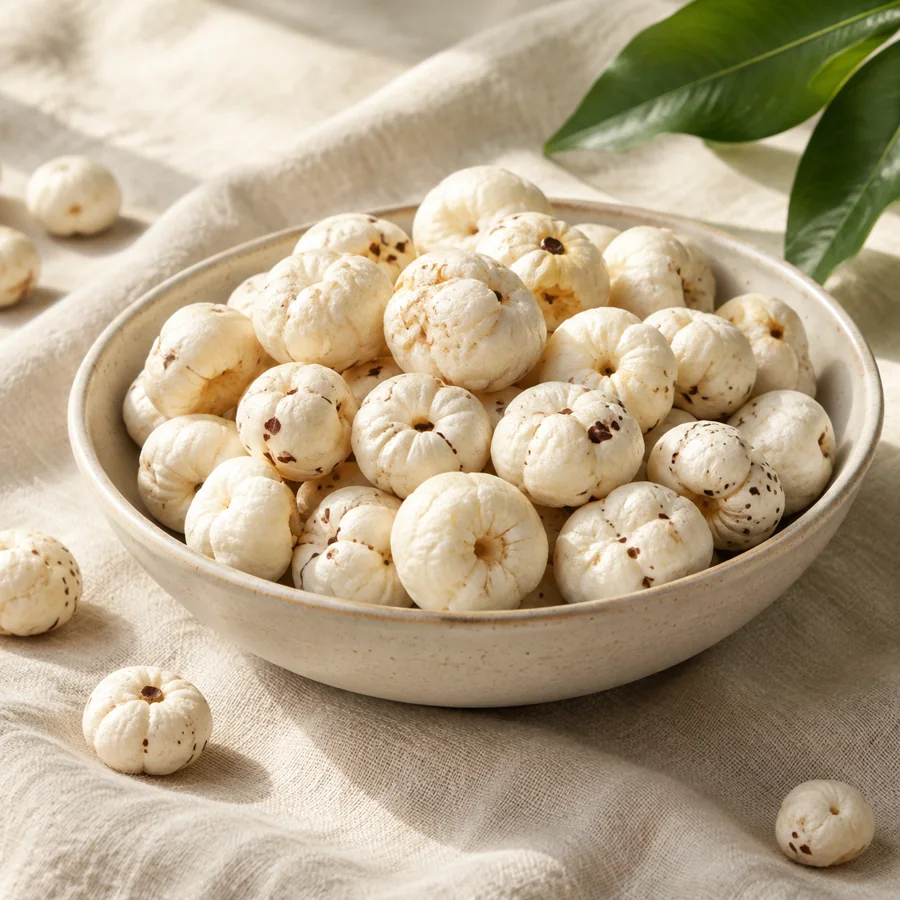
Premium / Large Whole
Larger, whole popped makhana with a visually appealing appearance.
Enquire about this grade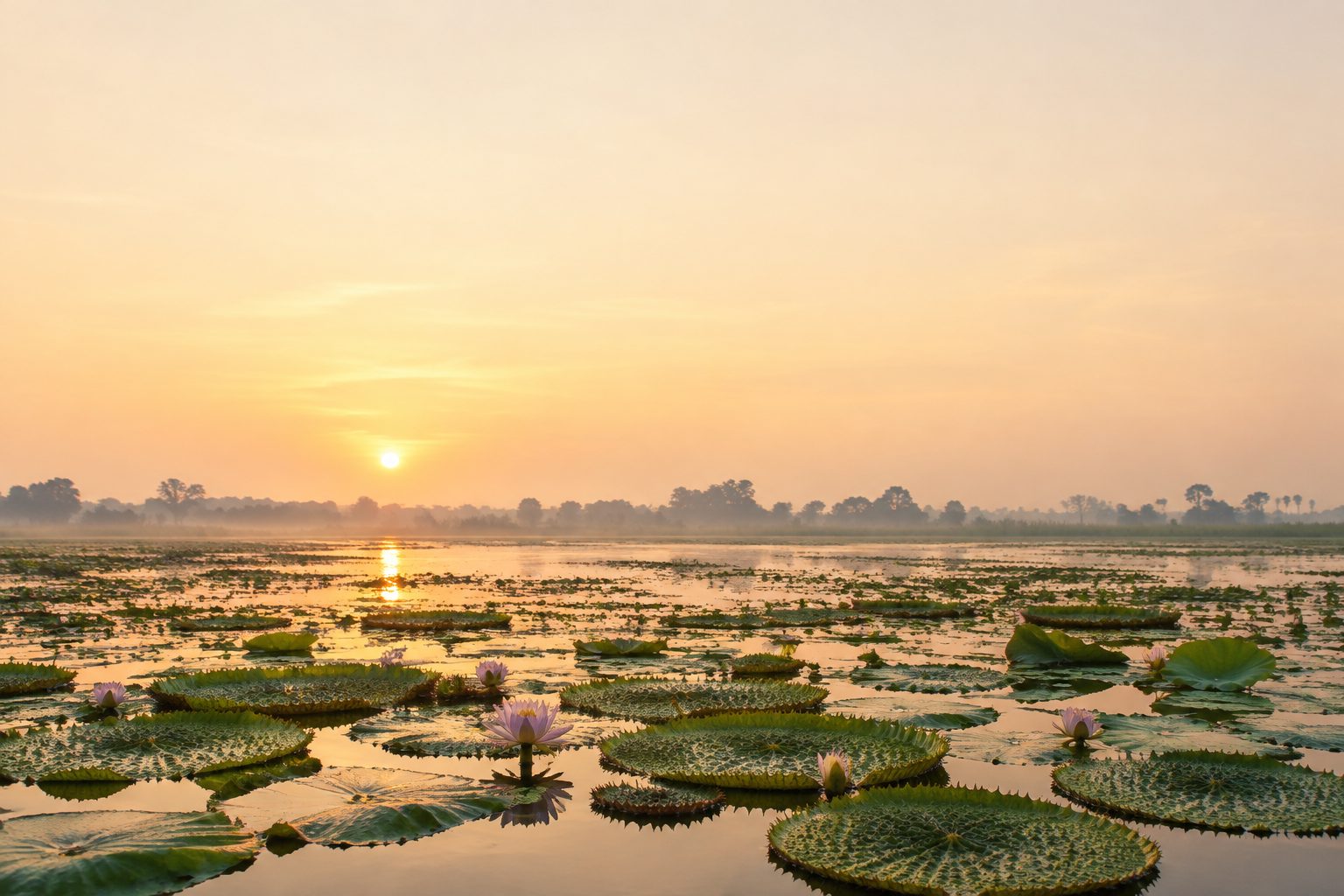
Rooted in Origin. Focused on Quality.
From the land of Kosi
Discover KOSI Makhana
Discover Makhana with KOSI.
Inspired by Saharsa and the wider Mithila–Kosi region, KOSI begins with makhana and a thoughtful approach to sourcing, product details, and quality.
The makhana story
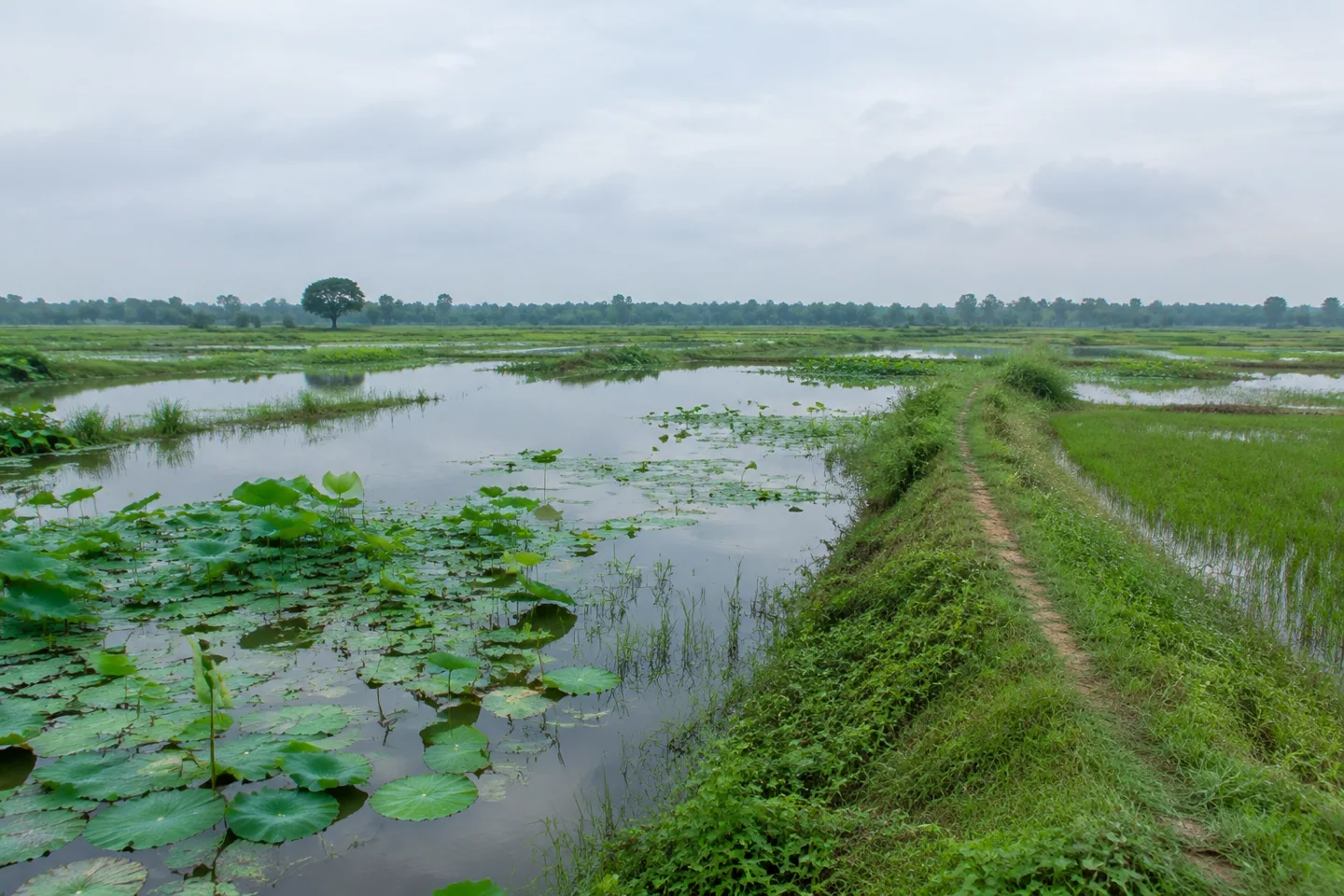
The Kosi spreads across north Bihar and leaves behind ponds and wetlands. This is where makhana grows.
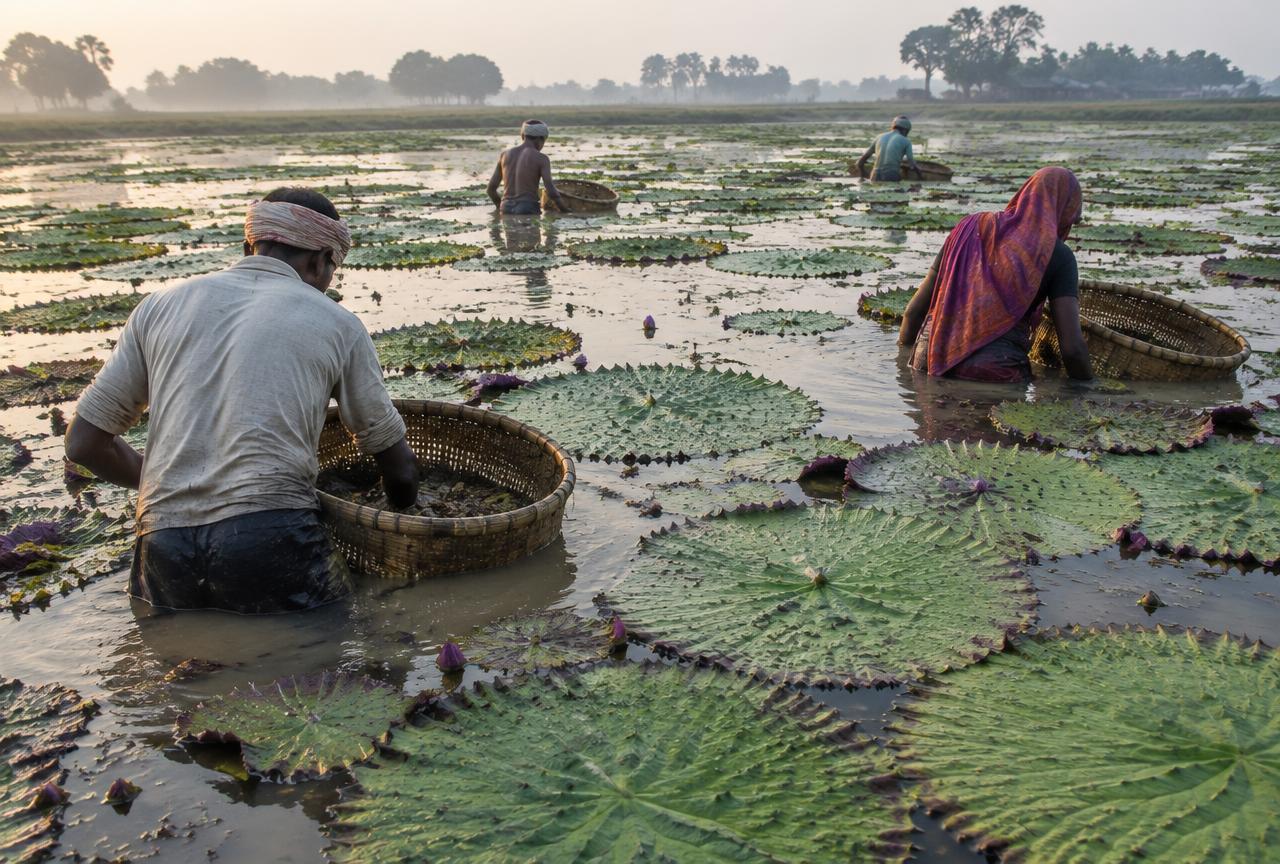
The seeds settle in the pond bed. They are gathered by hand, from the water — slow, skilled work.
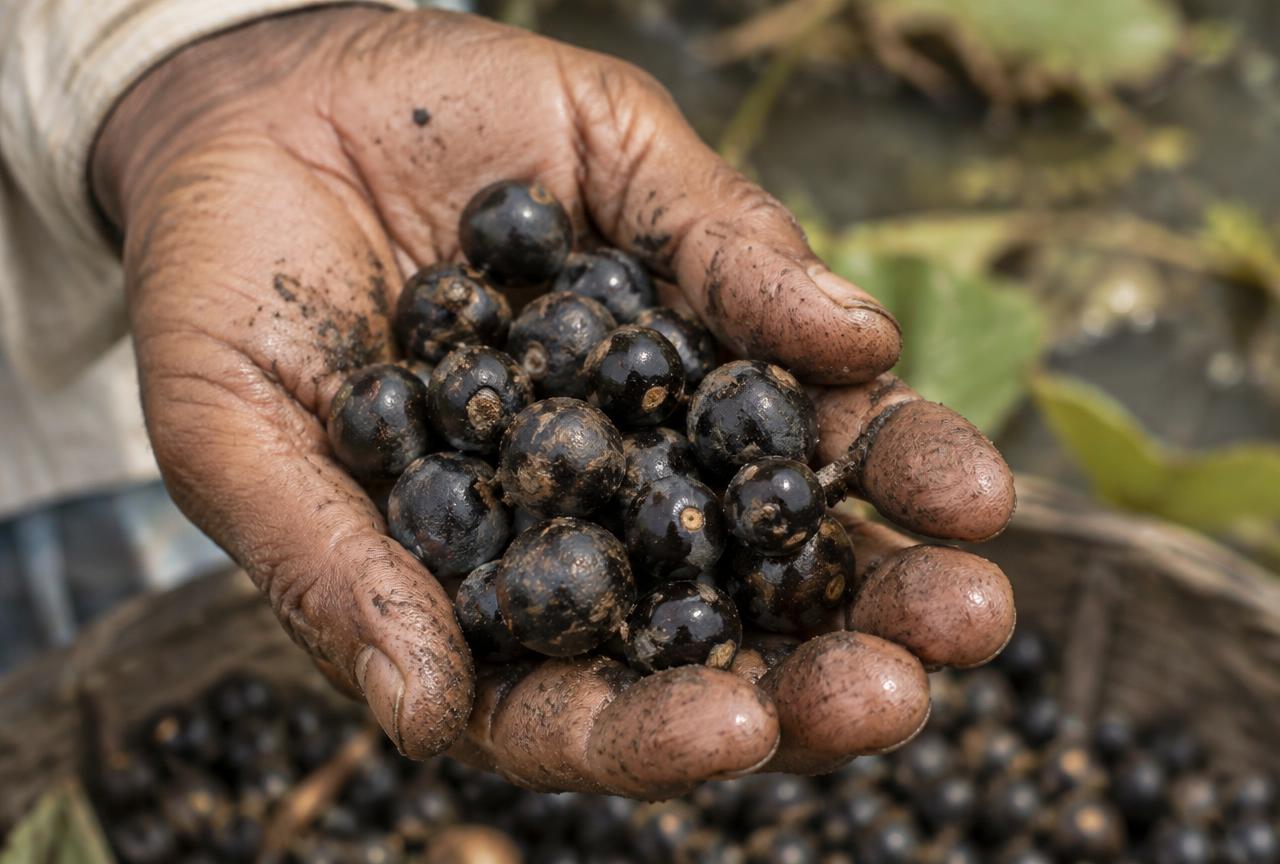
Washed and dried, the seeds are hard and dark — nothing like the white makhana most people know.
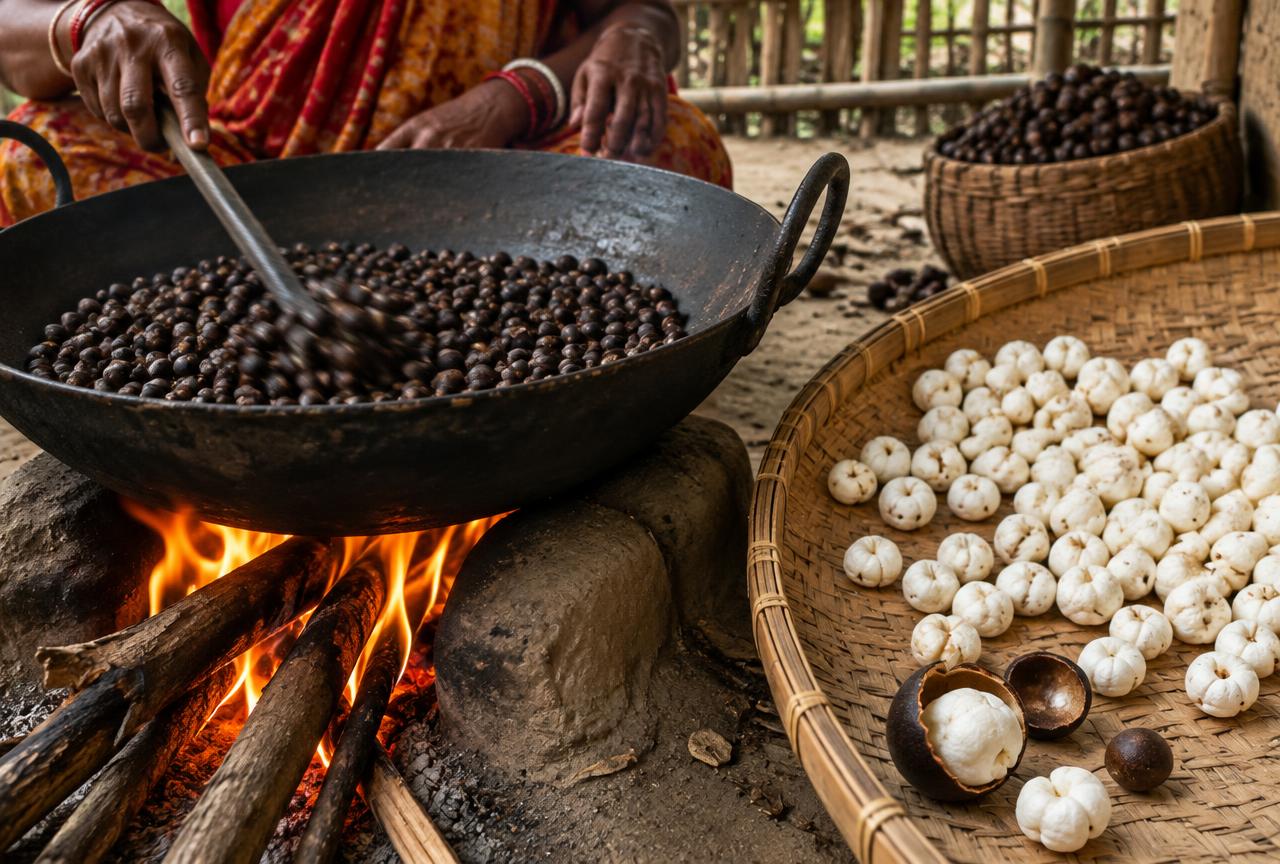
Roasted over heat and struck, the shell cracks and the kernel puffs into the light, crisp makhana.
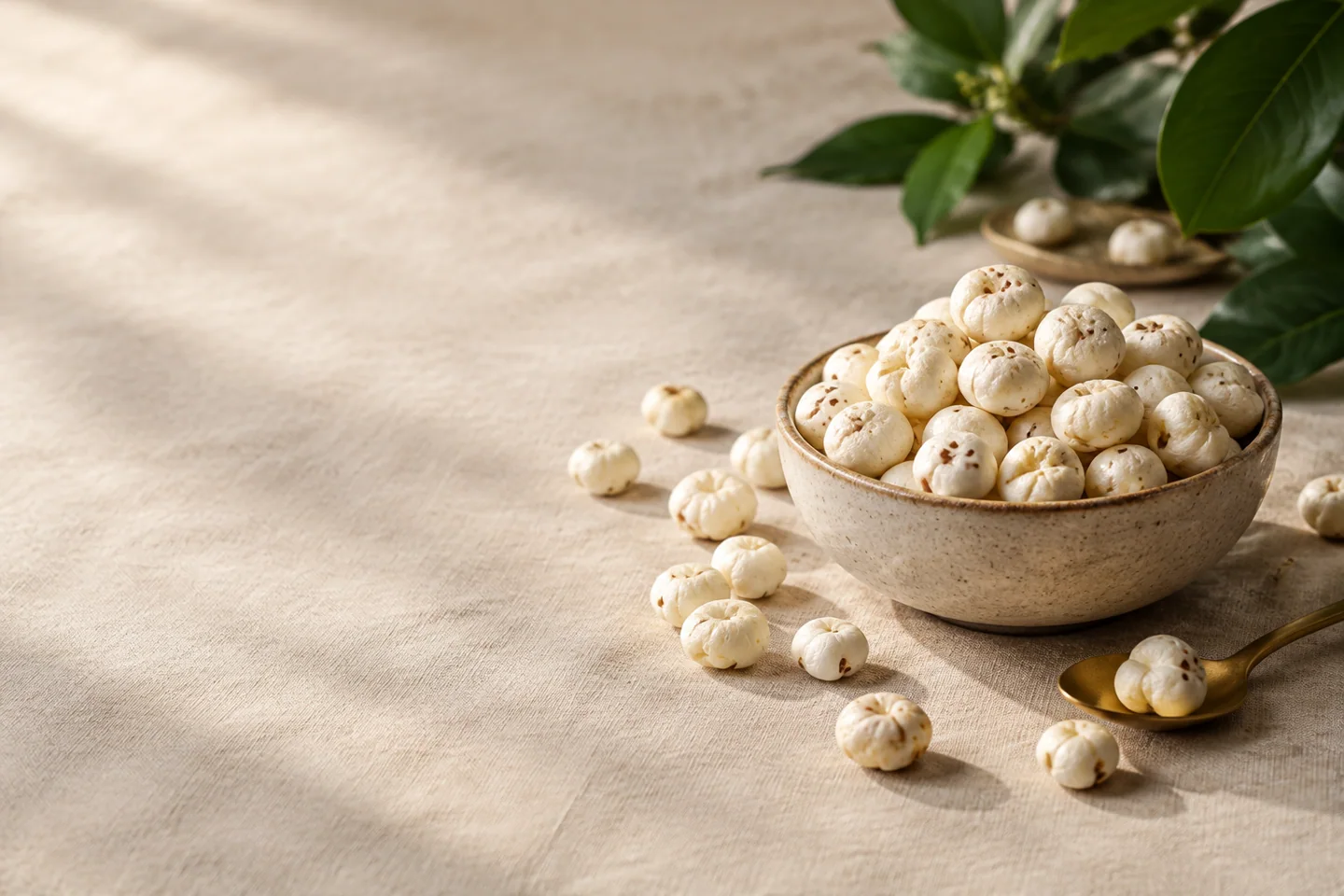
Sorted by size into grades, then discussed with buyers batch by batch. That is where KOSI comes in.
Makhana collection
01 / Proposed category
Larger, whole popped makhana with a visually appealing appearance.
Enquire about this grade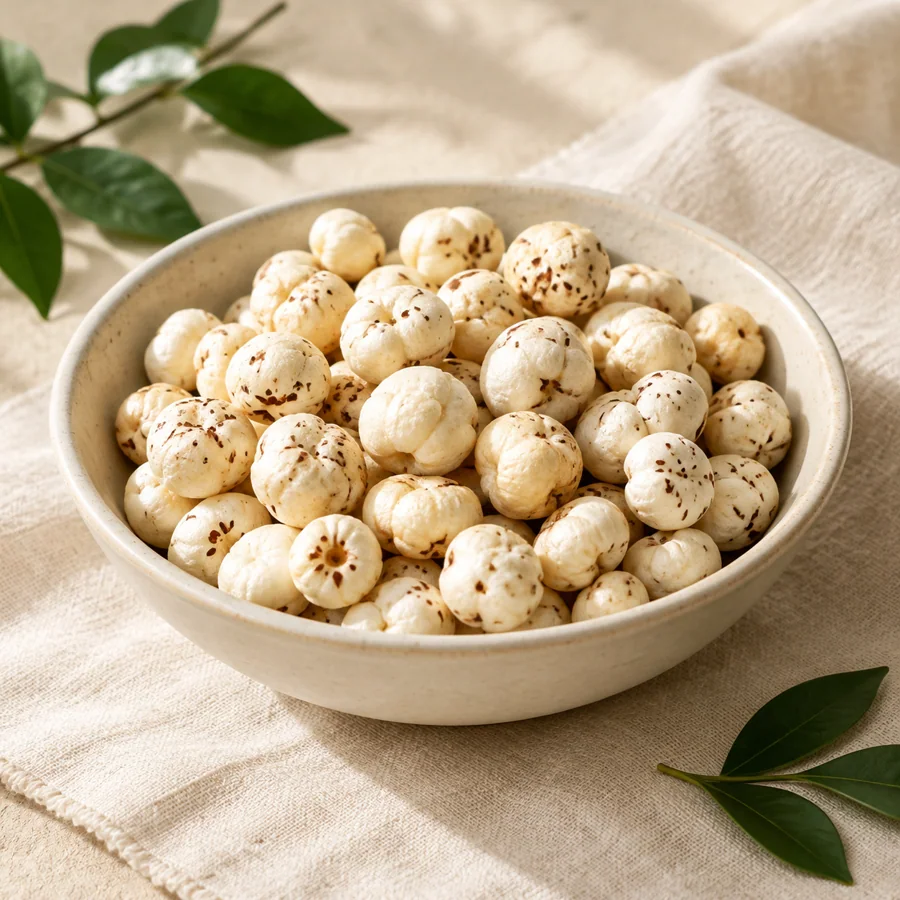
02 / Proposed category
Medium-sized, intact popped makhana suited to a variety of applications.
Enquire about this grade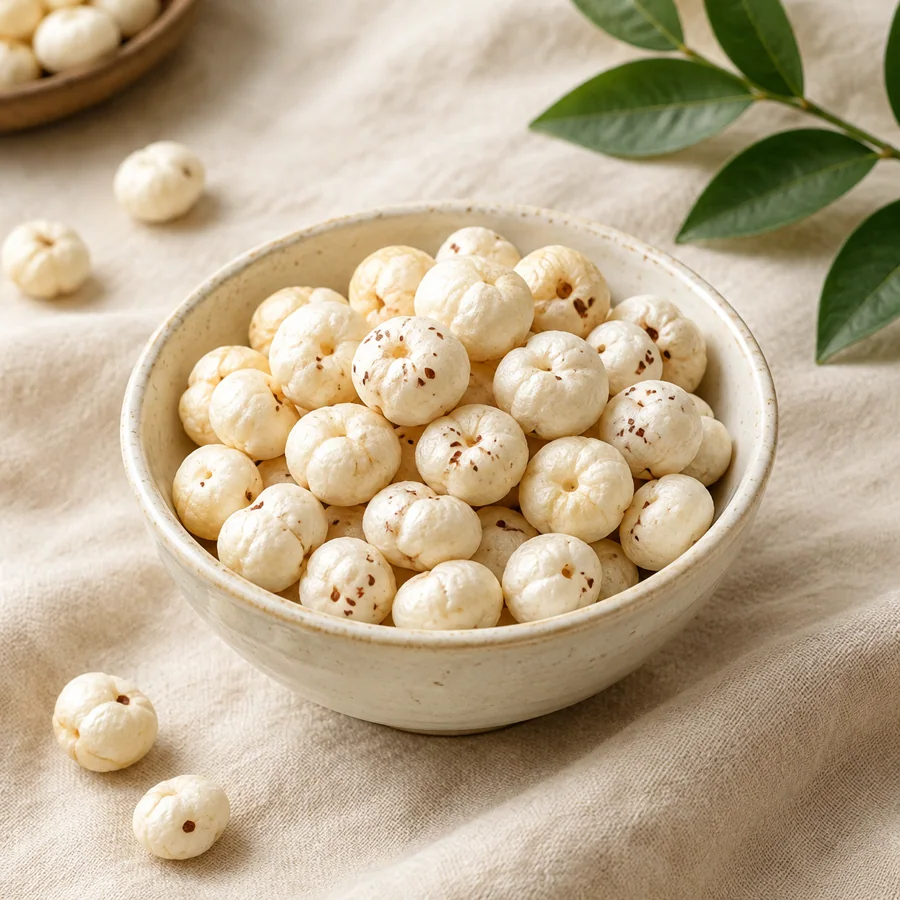
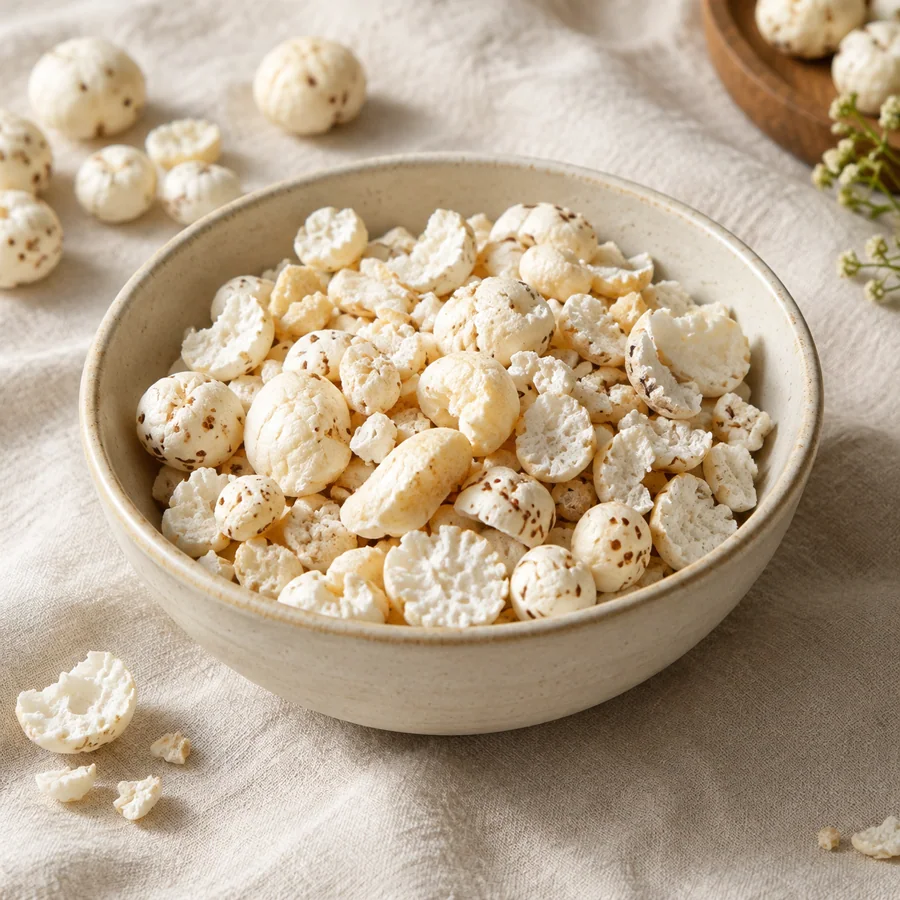
04 / Proposed category
Broken pieces and fragments of popped makhana.
Enquire about this gradeLooking for a specific grade? Let’s discuss your requirement.
Quality, considered
Compare the size distribution within the available batch against the intended use.
Review how much of the lot is intact and how much is made up of pieces or fragments.
Look for the colour range and visual consistency that suit the buyer’s specification.
Evaluate moisture for the product’s condition, packaging plan, and intended storage.
Check the product for cleanliness and any material that does not belong in the lot.
Taste and handle a sample to assess crispness, texture, and overall condition.
Inspect the sample for unwanted material before confirming a product specification.
Compare representative samples and confirm the details for each available supplier batch.
Cultivation to supply
Makhana grows in aquatic environments such as ponds, wetlands, and waterlogged fields.
Mature fruits and seeds are gathered from the growing environment using local methods.
Seeds are collected and separated as part of the post-harvest journey.
Collected seeds are cleaned and dried before subsequent handling and processing.
Processing methods prepare the seed so its edible kernel expands into popped makhana.
Popped product can be sorted by appearance, size, and whether pieces are whole or broken.
Samples are reviewed against a buyer’s requirements and the details of the available batch.
Packaging and dispatch arrangements are discussed for the particular order and destination.
Sourcing and supply
Discuss makhana sourcing for wholesale and bulk requirements.
Explore proposed commercial grades and the product details that matter to you.
Ask about available samples before discussing a potential order.
Discuss quantities, commercial terms, packaging, and dispatch arrangements.
Share your requirement.
Discuss grade and specifications.
Evaluate available samples.
Receive a commercial quotation.
Confirm order and dispatch terms.
Coordinate delivery and future requirements.
Know your makhana
Meet the edible seed behind a familiar ingredient in Indian kitchens.
Read articleA closer look at the wetlands and water bodies connected with makhana.
Read articleFollow the broad post-harvest journey from seed handling to popped kernels.
Read articleWhy KOSI
The Kosi comes down from the Himalayas and spreads across north Bihar before it meets the Ganga. Its floodplain — Saharsa, Supaul and the country around Darbhanga and Madhubani — is a landscape of ponds and wetlands, and locally it is simply called the Kosi belt.
Makhana has long been grown in these waters. We took the river’s name because that is where our story starts: in Saharsa, close to the source. Makhana is our first product; the wider food of the region is where we hope to go next.
About KOSIBusiness enquiry
Share your product grade, quantity, packaging preference, or any specific requirements. We’ll discuss details against the available supplier batch.
A general or consumer question? Use the separate contact form.
For product and supply enquiries
Explore the supply process, ask about a sample, or send a general question to KOSI.